THE RENDLESHAM FOREST INCIDENT
Over three nights in December 1980, US airmen at twin NATO bases in Suffolk reported lights in Rendlesham Forest. A deputy base commander recorded it on tape. What they tracked is still argued.
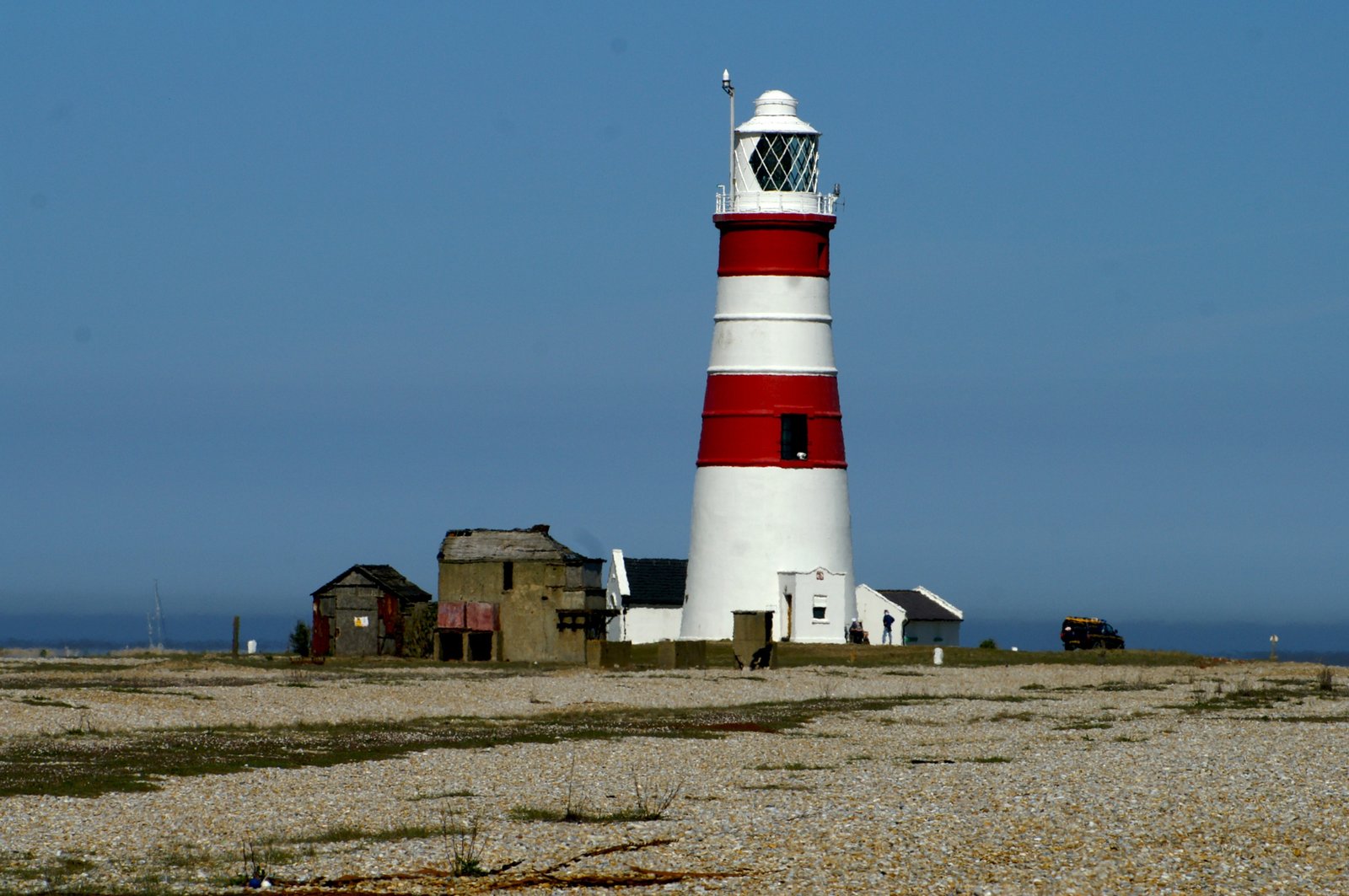

Rendlesham Forest sits between two Royal Air Force bases that the United States Air Force used during the Cold War, RAF Woodbridge and RAF Bentwaters. In the early hours of December 26, 1980, security patrolmen went into the forest to investigate lights seen beyond the east gate of Woodbridge. One of them, Sergeant Jim Penniston, later said he touched a metallic craft covered in symbols. Two nights later a party led by the deputy base commander, Lieutenant Colonel Charles Halt, entered the forest with a tape recorder and radiation meter and tracked a pulsing light through the trees. Halt described three small depressions in the ground and a bright object low in the sky.
Halt set his account down in a memo to the British Ministry of Defence dated January 13, 1981, which reached the public through a US Freedom of Information Act request and became the core document of the case [1]. His running commentary from the second night was released later on what is known as the Halt tape.
The astronomer Ian Ridpath investigated the site and reached two findings. The pulsing light low in the trees lined up with the Orford Ness lighthouse, about five miles east on the coast, whose beam flashed every five seconds and, seen through moving branches on a dark night, appears to hover and pull back as an observer walks toward it [2]. The bright object the patrols first chased in the small hours of December 26 matched a large fireball that many people across southern England reported at about the same time [4]. The three depressions were consistent with rabbit diggings, and the raised background reading Halt noted fell within normal levels for the area.
The Ministry of Defence held that the events were of no defence significance and, after decades of interest, released its file under DEFE 24 [3]. The record contains the airmen's sincere accounts, a lighthouse and a fireball in the right places at the right times, and no physical evidence of a landed craft.
- [01] Halt, C. (1981). 'Unexplained Lights,' memorandum to the Ministry of Defence, January 13, 1981. Released under the US Freedom of Information Act.
- [02] Ridpath, I. (1985 onward). The Rendlesham Forest UFO Case. Investigation identifying the lighthouse and the January 5 fireball.
- [03] UK Ministry of Defence (2001). Statement that the events were of 'no defence significance,' and the released DEFE 24 case file.
- [04] British Astronomical Association records: a bright fireball over southern England at about 02:50 on December 26, 1980.

The Suffolk sightings have drawn explanations beyond the lighthouse and the fireball. Each has a traceable origin and a documented response. They are laid out in full so you can weigh them yourself.
A landed craft of unknown origin
Sergeant Jim Penniston stated that he approached a solid triangular craft, photographed it, and touched its surface, and later said he received a binary code from it [1]. The response: the film Penniston reported taking came out blank, no photograph or physical fragment has ever been produced, and his most detailed claims, including the binary message, surfaced years afterward under hypnosis rather than in the original reports. The first written accounts describe lights, not a machine handled at close range.
A real event buried by a cover-up
A cover-up reading, argued by the former airman Larry Warren, holds that something serious landed and that US and British authorities suppressed the evidence and pressured witnesses [3]. Weighed against the file, the British government released its Rendlesham papers under DEFE 24 with a finding of no defence significance, the Halt memo itself reached the public through a routine records request rather than a leak, and Warren's account has been disputed on points of where he was stationed and what he could have seen. A quiet institutional shrug fits the paperwork better than an active concealment.
A chain of ordinary misperceptions
A third view keeps the honesty of the airmen and drops the craft entirely: tired men on a dark patrol, primed by the first night's excitement, read a rotating lighthouse beam, a fireball, and forest sounds as a single unfolding encounter. Its strength is that it needs nothing unproven, and its limit is that it cannot fully settle the specific sensations Penniston described. It fits Ian Ridpath's on-site reconstruction, in which the light's apparent motion is what a flashing beacon does when seen through moving trees.
- [01] Pope, N., Burroughs, J. & Penniston, J. (2014). Encounter in Rendlesham Forest. Thomas Dunne Books. The airmen's landed-craft account.
- [02] Bruni, G. (2000). You Can't Tell the People. Sidgwick & Jackson. Pro-incident investigation and interviews.
- [03] Warren, L. & Robbins, P. (1997). Left at East Gate. Marlowe & Company. First-person account alleging a wider cover-up.
INFORMAL READER POLL, NOT DATA. WHICH EXPLANATION DO YOU FIND MOST CREDIBLE?