OPERATION SEA-SPRAY
In 1950 the US Navy sprayed bacteria over San Francisco from a ship offshore to see how a biological attack would spread. Eleven people were hospitalized. One died. The city was told nothing for twenty-six years.
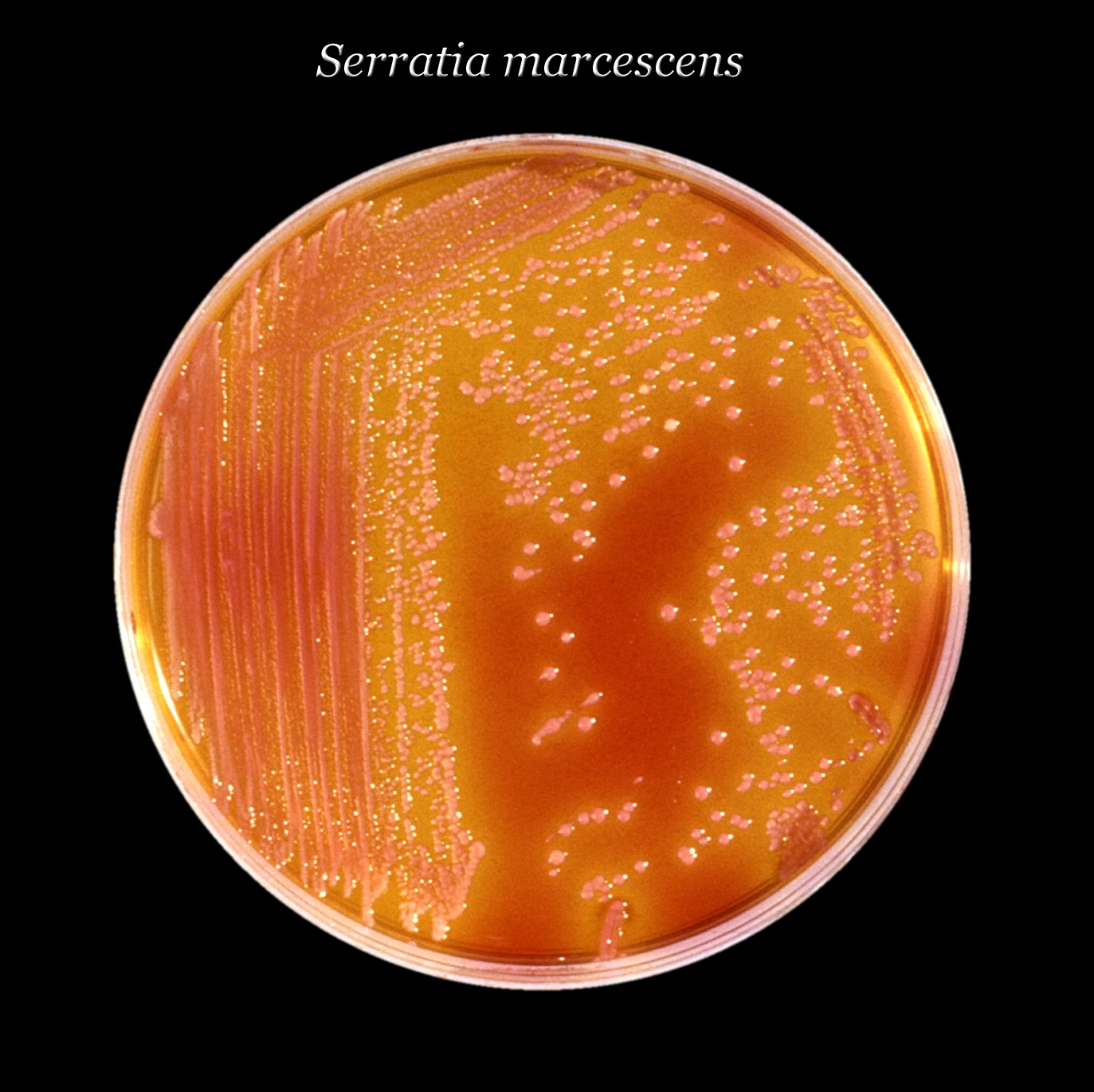

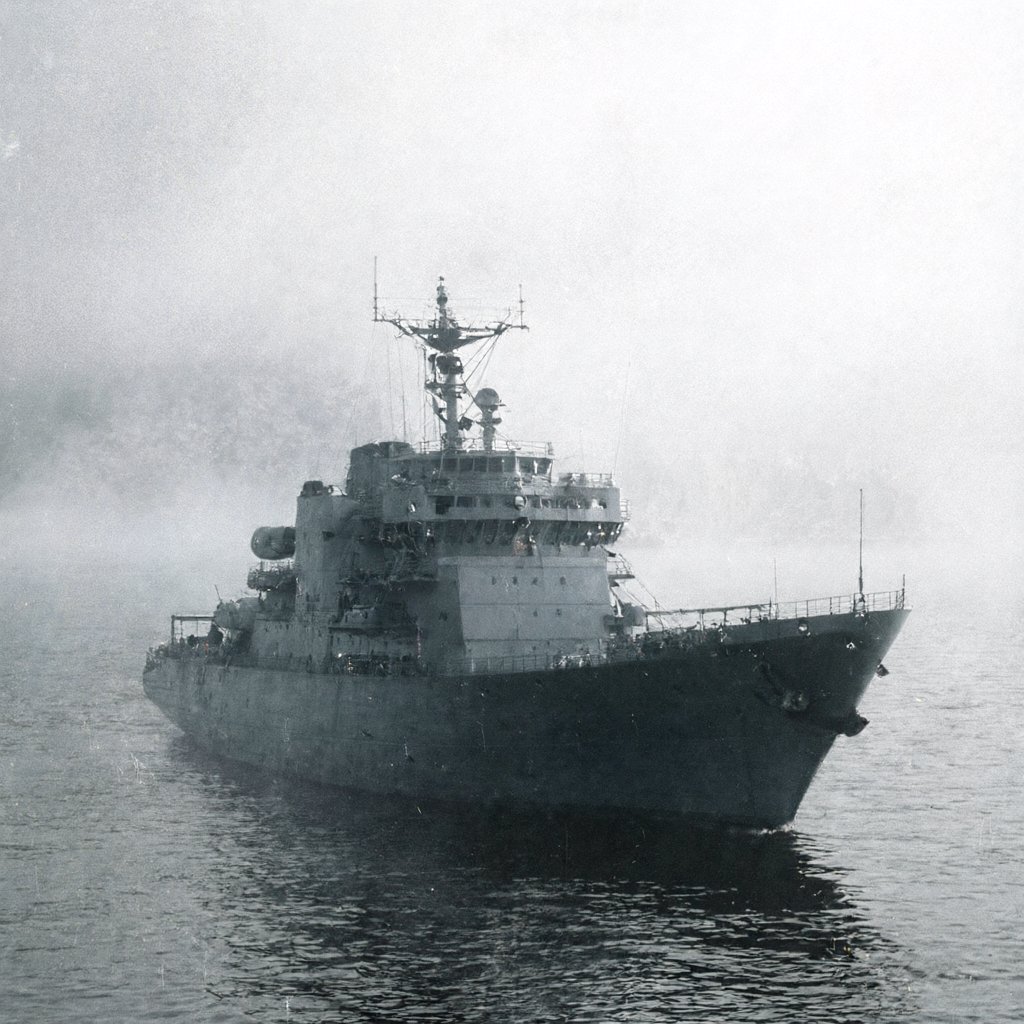
Between September 20 and 27, 1950, a United States Navy vessel sat off the coast of San Francisco and sprayed bacteria into the air, letting the sea breeze carry the cloud inland over the city. The point was to find out how a biological weapon released from a ship would disperse over an American population center. The Navy sampled the air afterward at dozens of points across the city and concluded that nearly all of San Francisco's roughly 800,000 residents had inhaled at least one of the particles [1][2].
The organism was Serratia marcescens, chosen partly because it was thought to be harmless and partly because it is convenient to track: it forms a distinctive red pigment, so colonies are easy to count in a petri dish. That assumption about harmlessness is where the operation went wrong.
Beginning about a week after the spraying, Stanford Hospital saw something it had never seen before. Eleven patients turned up with Serratia marcescens infections, an organism so rarely implicated in human disease that the hospital's physicians wrote the cluster up for a medical journal in 1951, puzzled by where it had come from [3]. One of them, a retired pipe fitter named Edward Nevin who had recently had prostate surgery, developed an infection of the heart valves and died. The hospital had no idea the Navy had put the bacteria there. Nobody did.
The public found out in 1977, twenty-six years later, when Senate hearings forced the Army to disclose a long program of open-air biological tests over American cities. San Francisco was one of many. Similar releases were conducted in the New York City subway, in Washington, and elsewhere, using organisms and tracer particles the military had classified as harmless [1][2]. The program ran until President Nixon ended offensive biological weapons work in 1969.
The Nevin family sued. In 1981 the Ninth Circuit dismissed the case, holding that the government was protected by sovereign immunity and that the decision to conduct the test was a discretionary function the courts would not second-guess [4]. The family never established in court that the Navy's bacteria killed Edward Nevin, and the government has never conceded it.
The record here is closed on the essential facts. The Navy did spray a live organism over an American city without warning it, without consent, and without telling the hospitals what to look for when people started getting sick. That is not a theory. It is testimony given to the United States Senate.
- [01] United States Senate, Subcommittee on Health (1977). Hearings on biological testing involving human subjects by the Department of Defense, at which the Army disclosed the open-air tests over American cities.
- [02] Cole, L.A. (1988). Clouds of Secrecy: The Army's Germ Warfare Tests Over Populated Areas. Rowman & Littlefield.
- [03] Wheat, R.P. et al. (1951). Infection due to chromobacteria. Archives of Internal Medicine 88, on the Stanford Hospital cluster of Serratia marcescens infections.
- [04] Nevin v. United States (1981). Ninth Circuit. The wrongful death suit brought by the family of Edward Nevin, dismissed on sovereign immunity grounds.
The test is admitted. What is still argued is what it cost, and whether the story ends where the government says it does. Each claim has a traceable origin and a response drawn from the same record. They are laid out in full so you can weigh them yourself.
It killed more people than the one recorded death
Edward Nevin is the only death anyone has ever tied to the spraying, and the tie was never proven in court. The claim is that a cloud inhaled by 800,000 people cannot plausibly have harmed exactly eleven of them and killed exactly one, and that the true toll is buried in ordinary death certificates nobody thought to question [1][2]. The response is that the eleven Stanford cases were noticed precisely because Serratia infection was so rare, which means the surveillance was working, and a larger toll would likely have produced more clusters. That argument has a hole in it. The only reason we know about those eleven is that a hospital wrote them up out of curiosity, and no one was looking anywhere else, because no one knew there was anything to look for.
The bacteria were harmless and Nevin died of something else
This is the government's position, and it is not absurd. Serratia marcescens was genuinely regarded as a harmless organism in 1950, which is why it was selected [3]. Nevin was elderly and had just had prostate surgery, so he was vulnerable to any number of infections. Against it stands the timing, the rarity, and the fact that the strain in the hospital cluster was the same organism the Navy had just released across the city in enormous quantity. The medical understanding also moved: Serratia is now recognized as a real opportunistic pathogen, which means the assumption the test rested on was simply wrong.
The testing did not stop in 1969
The narrow version of this claim is documented rather than speculative: open-air tests with simulants continued in various forms, and the disclosure in 1977 covered a program far larger than San Francisco, including releases in the New York subway [2]. The broader version, that live-organism tests over unwitting American populations continued after Nixon's 1969 order, has never been substantiated. What the file establishes is a pattern of secrecy long enough that the burden of proof has shifted in the public's mind, and that is a cost the government incurred by itself. When an institution conceals something for twenty-six years, it forfeits the presumption that it has stopped.
- [01] Nevin v. United States (1981). The family's wrongful death claim and the government's sovereign immunity defense.
- [02] Cole, L.A. (1988). Clouds of Secrecy. On the number of open-air tests and the populations exposed.
- [03] Department of the Army testimony (1977) that Serratia marcescens was believed harmless at the time of the tests.