THE OAK ISLAND MONEY PIT
For more than two centuries treasure hunters have dug into a pit on a small Nova Scotia island, sure something is buried below. Several have died. Nothing has been found, and geology may explain the hole.
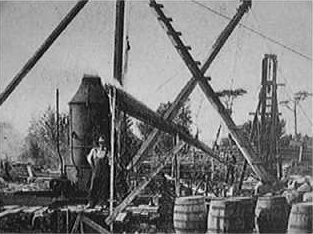

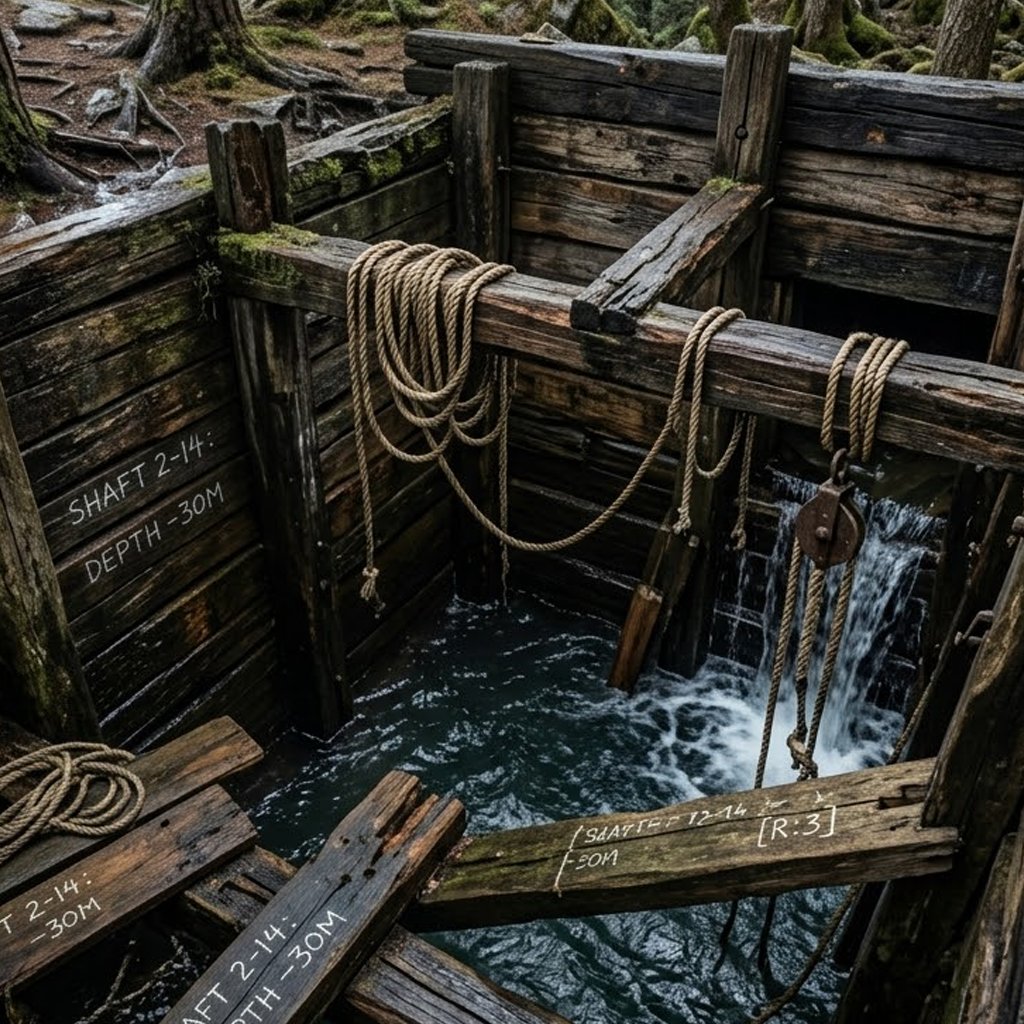
Oak Island is a small wooded island in Mahone Bay, Nova Scotia. Its legend began around 1795, when, by the traditional account, a teenager named Daniel McGinnis found a circular depression in the ground and, with friends, began to dig. The story holds that they uncovered a shaft with platforms of oak logs at regular intervals, taken as a sign that something valuable had been buried and covered with care. Over the next two centuries, treasure hunters sank shafts and tunnels across the site, several searchers died in collapses and accidents, and the pit repeatedly filled with seawater [1].
No treasure has ever been recovered. Despite enormous effort, drilling, dredging, heavy machinery, and large sums of money, more than two hundred years of digging have produced no chest, no hoard, and no verified cache. The most cited proof of buried treasure, a stone said to bear a coded inscription reading that riches lay below, cannot be examined because the stone was lost, and its wording survives only in later retellings [2].
Geology offers a plainer account of the central features. The bedrock around Mahone Bay is limestone and anhydrite prone to dissolving, which forms natural sinkholes and underground cavities connected to the sea. In this reading the "Money Pit" is a natural sinkhole, and the famous "flood tunnels" that defeated diggers are natural water channels rather than an engineered booby trap [3][4]. The tidy layers and artifacts reported over the years are ambiguous, and some material was introduced by earlier excavations that churned the ground.
The legend itself grew through repetition and promotion. Early accounts were written decades after 1795, treasure companies had reasons to advertise progress, and each generation added detail. The mainstream position is not that the island is fully mapped, but that the pit and its flooding are consistent with natural geology, that the documentary trail is thin at the origin, and that the defining fact after two centuries is the absence of any treasure [1].
- [01] O'Connor, D. (1988). The Secret Treasure of Oak Island. Ballantine Books.
- [02] Crooker, W.S. (1993). Oak Island Gold. Nimbus Publishing.
- [03] Joltes, R. (2002 onward). Oak Island analyses, Critical Enquiry. On the natural and documentary evidence.
- [04] Nova Scotia Department of Natural Resources, geological surveys of the Mahone Bay karst region.
The absence of treasure has not ended the theories, which range from pirate gold to hidden manuscripts. Each has a traceable origin and a documented response. They are laid out in full so you can weigh them yourself.
Genuine buried pirate or naval treasure
The oldest theory holds that pirates such as Captain Kidd, or a fleeing military paymaster, buried a hoard and engineered the shaft and flood tunnels to protect it [1]. The response: there is no historical record of such a burial, deliberate flood-trap tunnels of that sophistication are not documented anywhere else in the period, and two centuries of excavation aimed straight at the treasure have found none. The engineering that impresses searchers is better explained by natural water channels than by a design no one has matched.
Templar relics or Bacon's manuscripts
A more elaborate family of theories proposes that the Knights Templar hid sacred relics on the island, or that the pit holds original manuscripts proving Francis Bacon wrote Shakespeare's plays [2]. These draw on scattered symbols and coincidences and make a better story than case. Against them, no Templar or Elizabethan artifact has been recovered, the alleged links rest on loose interpretation of markings and dates, and the manuscripts theory in particular assumes a transatlantic concealment for which there is no supporting document.
Man-made, but the contents are lost or ordinary
The most restrained non-natural view accepts the geology yet argues that at least some features, reported oak platforms, worked wood, and metal, suggest genuine old human activity, perhaps a modest cache, a colonial-era work site, or salvage, since heavily reworked [3]. This is the hardest version to dismiss because it claims the least, and old worked material on a coastal island is not impossible. Its weakness is that after so much disturbance the finds cannot be cleanly dated or placed, so even if people once dug there, the grand treasure the legend promises is not what the evidence supports.
- [01] O'Connor, D. (1988). The Secret Treasure of Oak Island. On the pirate and naval treasure theories.
- [02] Finnan, M. (1997). Oak Island Secrets. Formac. On the Templar and Bacon manuscript theories.
- [03] Crooker, W.S. (1993). Oak Island Gold. On the reported man-made features and artifacts.
INFORMAL READER POLL, NOT DATA. WHICH EXPLANATION DO YOU FIND MOST CREDIBLE?