THE LAVON AFFAIR
In 1954, Israeli military intelligence recruited Egyptian Jews to bomb American and British targets in Cairo and Alexandria, intending to pin the attacks on Egyptian nationalists. Israel denied any government role for over 50 years, then officially acknowledged it in 2005. One question the acknowledgment never settled: who actually gave the order.
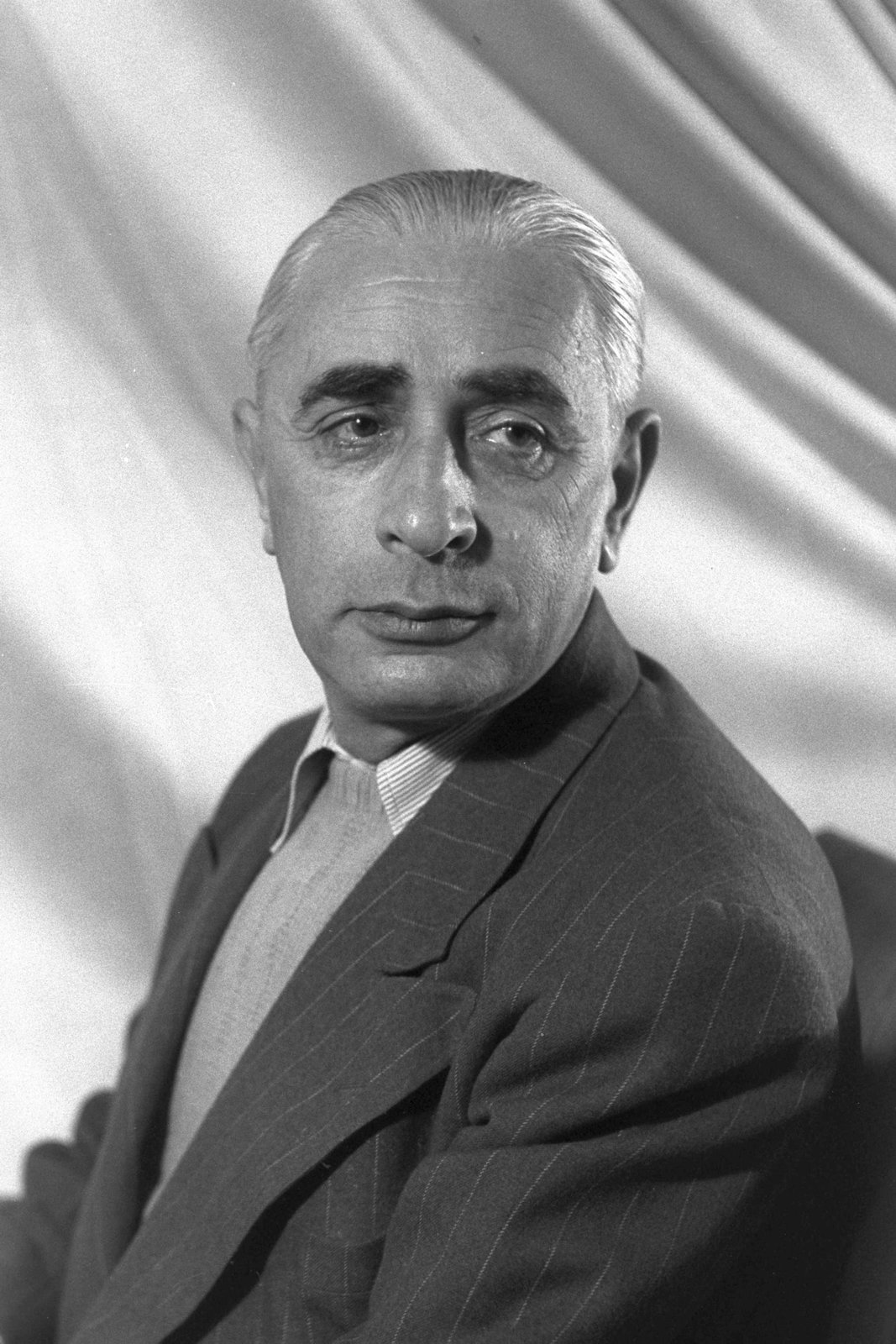

In the summer of 1954, Israeli military intelligence's Unit 131 recruited a network of Egyptian Jews and directed them to plant small bombs at American and British targets in Cairo and Alexandria, including a post office, a library, and cinemas. The operation, later codenamed Operation Susannah, was built to look like the work of Egyptian nationalists or the Muslim Brotherhood, with the goal of destabilizing confidence in Gamal Abdel Nasser's government and discouraging Britain from withdrawing its troops from the Suez Canal Zone [1].
The network unraveled when a bomb detonated prematurely in the pocket of an operative outside an Alexandria cinema on July 23, 1954. Egyptian authorities arrested the network over the following weeks and tried them in December 1954. Two operatives, Moshe Marzouk and Shmuel Azar, were sentenced to death and executed by hanging in January 1955. Others received prison terms; one operative died by suicide in custody, and the network's Israeli-born commander escaped [3].
Israeli Defense Minister Pinhas Lavon was forced to resign within months of the operation's exposure, and the Israeli government denied for over five decades that the bombings had been an authorized state operation at all. That denial ended in March 2005, when President Moshe Katsav publicly honored the surviving operatives with certificates of appreciation in a state ceremony, the closest the Israeli government has come to a formal acknowledgment that Operation Susannah was real [1][2].
What the acknowledgment settled is that the operation happened and that Israel's government ordered it. What it never settled, and what no Israeli inquiry ever fully resolved, is which official inside that government gave the actual order.
- [01] Israel Ministry of Defense Archives, official exhibition page, "The Unfortunate, or the Lavon Affair."
- [02] Weiss, L. (2013). The Lavon Affair -- How a false-flag operation led to war and the Israeli bomb. Bulletin of the Atomic Scientists / SAGE.
- [03] Moshe Marzouk, Wikipedia, cross-referenced against Israeli state archive material on the 1955 Cairo trial and executions.
Defense Minister Lavon was scapegoated on forged evidence
Pinhas Lavon maintained until his death that he never ordered Operation Susannah, and that Aman intelligence chief Colonel Benjamin Gibli acted on his own authority and then built a paper trail to shift the blame once the operation collapsed. A 1955 inquiry, the Olshan-Dori Committee, could not conclusively determine who gave the order — the people involved gave contradictory testimony, and the committee's findings were inconclusive by design as much as by evidence [1]. What tipped later opinion toward Lavon's account: a member of the Egypt network later admitted to committing perjury before the committee at Gibli's request, and separate testimony pointed to a key document used against Lavon having been forged with help from Gibli's own secretary [2]. Gibli was dismissed from his post over the affair, which reads as consistent with the scapegoating account, though it is also consistent with an internal decision to remove him regardless of which man actually gave the original order.
Against this reading: the forgery and perjury findings prove the evidence used against Lavon was corrupted, which is not the same as independent proof that Lavon himself never gave a verbal order that was never written down in the first place. No inquiry, including the one that uncovered the forgeries, produced positive evidence establishing what Lavon actually said to Gibli in private. The 2005 acknowledgment resolved whether Israel ran the operation. It did not, and could not, resolve a conversation between two men that neither official record nor either man's surviving testimony settles.
- [01] Olshan-Dori Committee findings, 1955, as reconstructed in later Israeli state and press accounts of the inquiry's inconclusive result.
- [02] Binyamin Gibli, Wikipedia, cross-referenced against contemporaneous Israeli press coverage of the perjury and forged-document findings.