THE GLEIWITZ INCIDENT
On the night of August 31, 1939, SS operatives staged a fake Polish attack on a German radio station to justify invading Poland the next morning. The man who led it testified to every detail at Nuremberg. What is less settled is how many other border incidents were staged that same night as part of the same plan.
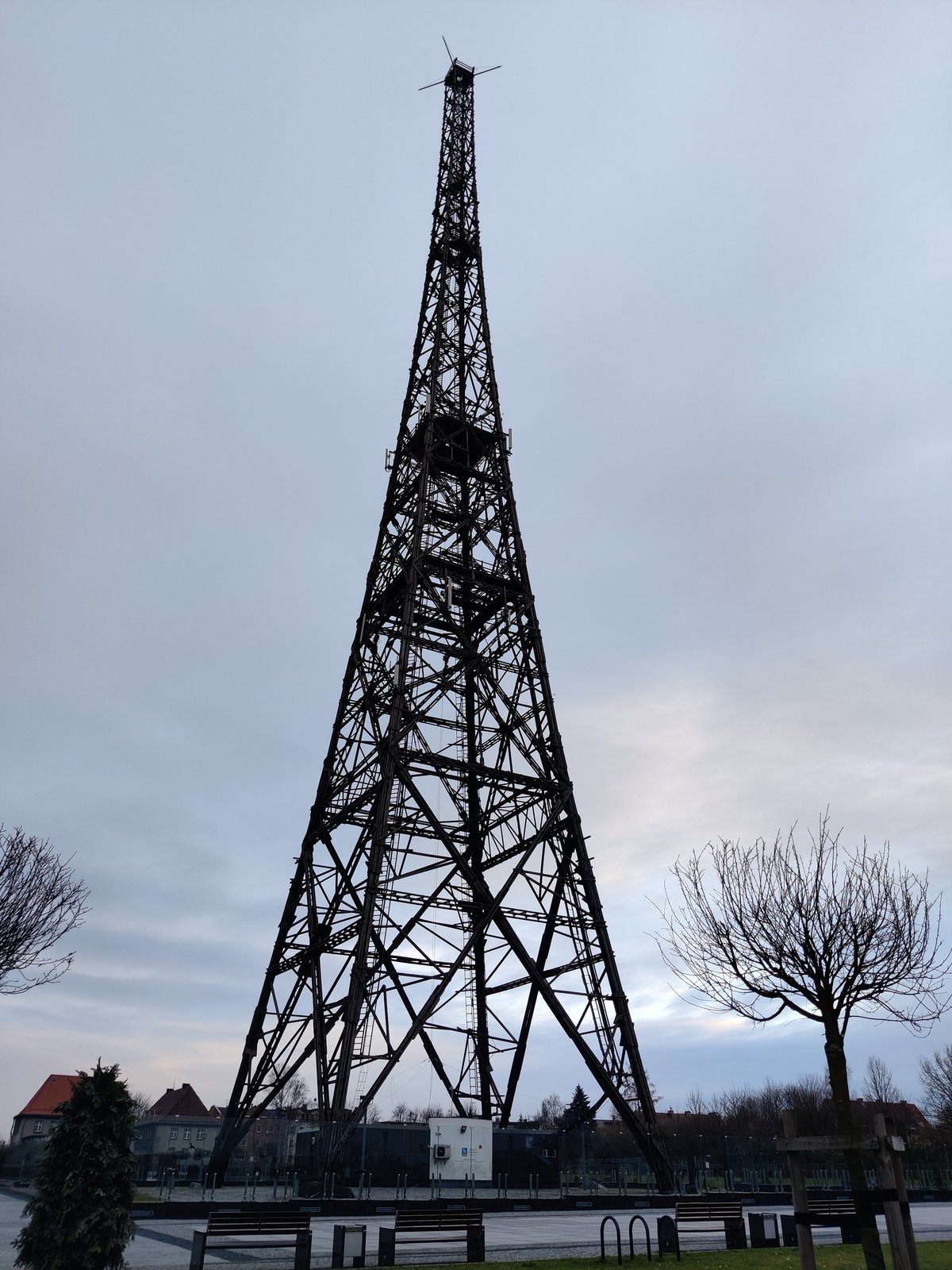

On the night of August 31, 1939, a small team of SS operatives dressed in Polish Army uniforms seized the German radio station at Gleiwitz, near the Polish border, and broadcast a brief anti-German message in Polish before withdrawing. The operation was led by SS-Sturmbannführer Alfred Naujocks on direct orders from Reinhard Heydrich and Gestapo chief Heinrich Müller [1].
To make the staged attack look real, the operatives left a body dressed in a Polish uniform at the scene. The body was Franciszek Honiok, a 43-year-old German Silesian farmer with pro-Polish sympathies, who had been arrested by the Gestapo shortly before, drugged, and killed on site to serve as evidence. Naujocks's own affidavit describes Honiok being referred to internally by the code phrase "Konserve," canned goods, meaning a prepared asset held in reserve for exactly this use [1].
Adolf Hitler cited the Gleiwitz attack and similar border incidents the next morning, September 1, 1939, as justification for the invasion of Poland, framing the German military response as defensive [2]. The invasion began that same day and is the conventional starting point of the Second World War in Europe.
Almost everything known about the operation's planning comes from Naujocks himself. He gave a detailed written affidavit at Nuremberg on December 20, 1945, describing the chain of orders, his own role leading the team, and the use of a drugged prisoner as staged evidence [1]. That affidavit, not a contemporary German admission, is the documentary basis for treating Gleiwitz as a confirmed false-flag operation rather than a disputed one — the man who carried it out described it under oath, in detail, years before any outside investigator could have reconstructed it independently.
- [01] Naujocks, Alfred. Affidavit concerning the staging of the supposed Polish attack on Germans at the beginning of the war. Nuremberg Trial Document 2751-PS, December 20, 1945.
- [02] International Military Tribunal. Trial of the Major War Criminals before the International Military Tribunal, Nuremberg, 1945-1946. Testimony on the Gleiwitz operation.
One incident among several, exact scope undocumented
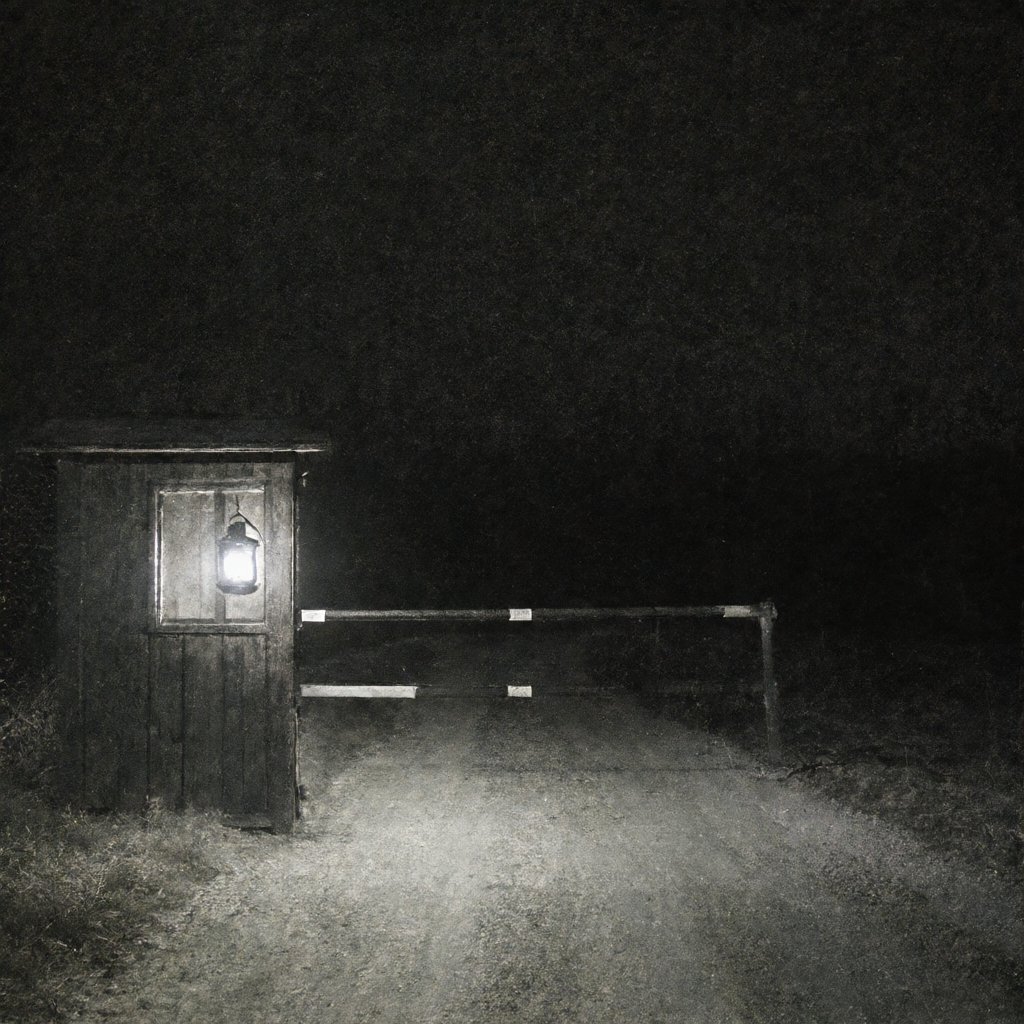
Gleiwitz was the most prominent of a coordinated set of staged border incidents that night, planned under what historians generally call Operation Himmler. German operatives in Polish uniforms also staged raids at a forestry office near Pitschen and at a German customs post near Hochlinden, using the same method: fire scattered shots, cause visible damage, then withdraw, leaving behind concentration camp prisoners dressed in Polish uniforms and killed to serve as physical evidence of a Polish attack [1]. The mechanism at every site was the same one Naujocks described for Gleiwitz.
What isn't pinned down is the full count. Surviving sources agree on Gleiwitz, Pitschen, and Hochlinden by name, but no comprehensive postwar accounting fixes a precise number of coordinated incidents that night or a total casualty figure for the prisoners used as staged bodies. Zaloga's military history of the campaign treats Operation Himmler as the coordinating plan without offering a final tally [2], and no Nuremberg document fills that gap the way Naujocks's affidavit fills it for Gleiwitz specifically. The uncertainty here isn't about whether the wider operation happened. It happened. It's that the one team leader who gave a detailed sworn account described his own operation, not everyone else's.
- [01] Operation Himmler, coordinated German border-incident plan, August 31, 1939.
- [02] Zaloga, Steven J. Poland 1939: The Birth of Blitzkrieg. Osprey Publishing, 2002.