COINTELPRO
For fifteen years the FBI ran a secret program to spy on, disrupt, and discredit political groups it disliked. It stayed hidden until activists broke into a field office and stole the files.
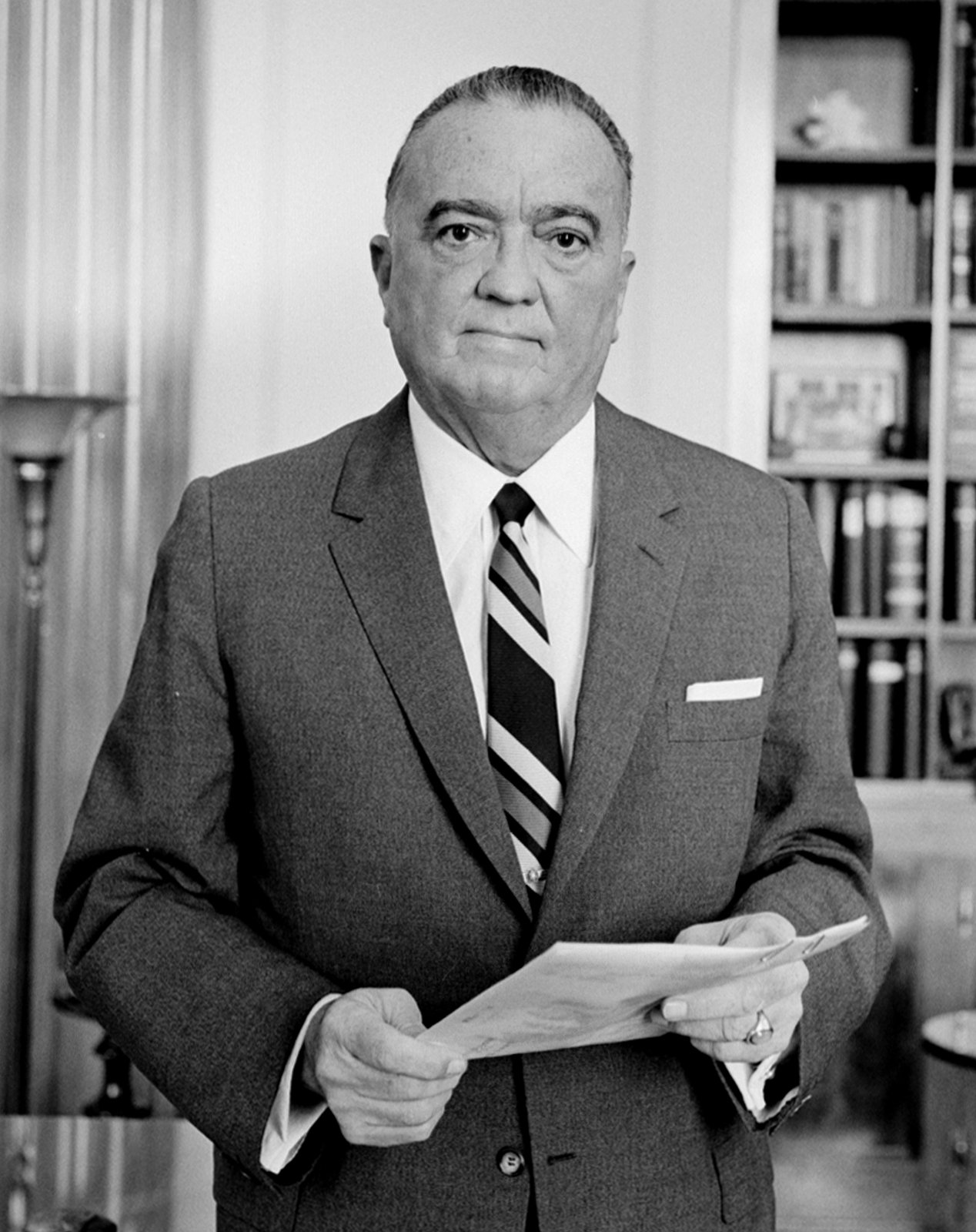

COINTELPRO, short for Counter Intelligence Program, was a set of covert operations the Federal Bureau of Investigation ran from 1956 to 1971 under Director J. Edgar Hoover. Its purpose was not to gather intelligence for prosecution but to disrupt, discredit, and destabilize political organizations the Bureau considered subversive. Targets included the Communist Party, the Socialist Workers Party, civil rights groups, the American Indian Movement, Puerto Rican independence groups, the Ku Klux Klan, and the wider New Left [1].
The tactics are documented in the Bureau's own records. Agents planted forged letters to break up marriages and alliances, fed false stories to friendly reporters, sent anonymous threats, worked to get targets fired, and used informants to sow distrust inside groups. In one of the most notorious cases, the FBI sent Martin Luther King Jr. an anonymous package with a recording and a letter that appeared to urge him toward suicide [1]. Some operations aimed to provoke violence between rival groups.
The program stayed secret until March 8, 1971, when a small group calling itself the Citizens' Commission to Investigate the FBI broke into a Bureau field office in Media, Pennsylvania, and took the files inside. They mailed the documents to newspapers, and the term COINTELPRO appeared in them [2]. The theft is what forced the program into public view; the burglars were never caught.
The exposure led to the Church Committee, the 1975 to 1976 Senate investigation that examined COINTELPRO and other intelligence abuses and concluded the Bureau had violated the constitutional rights of Americans [1]. The findings drove new limits on domestic intelligence and the creation of oversight committees. The documented record is settled: a real, long-running FBI program of illegal disruption, exposed by a burglary and confirmed by a Senate investigation and the Bureau's own files [3].
- [01] US Senate, Church Committee (1976). Final Report, Book III: Supplementary Detailed Staff Reports on Intelligence Activities and the Rights of Americans.
- [02] Medsger, B. (2014). The Burglary. Alfred A. Knopf. Account of the 1971 Media, PA break-in that exposed COINTELPRO.
- [03] Churchill, W. & Vander Wall, J. (1990). The COINTELPRO Papers. South End Press. Reproductions of recovered FBI documents.
- [04] O'Reilly, K. (1989). Racial Matters: The FBI's Secret File on Black America. Free Press.

The program's documented record leaves open how far it reached and whether it truly ended. Each claim has a traceable origin and a documented response. They are laid out in full so you can weigh them yourself.
It never ended, only changed names
A common claim holds that COINTELPRO was renamed rather than stopped and continues today. The response: the formal program was terminated in 1971 after the Media break-in, and no later program under the name has been documented [1]. The concern is not baseless, since the FBI has faced later criticism over surveillance of activist and Muslim communities, but those are separate operations under different legal frameworks and oversight that did not exist before the Church Committee, not a proven continuation of the same effort [3]. Renaming is asserted more often than it is shown.
Far wider than the released files admit
Another reading holds that the recovered and declassified documents are only a fraction, and that the true scope, and the worst acts, remain hidden. This has real weight, because the public record exists mainly by accident, through a single burglary and a Senate inquiry, and the Bureau resisted disclosure. What limits the claim is that specific larger allegations, such as direct FBI responsibility for particular killings, rest on inference and contested informant testimony rather than documents, and the proven abuses are already extensive [2].
A justified response to real unrest
A defense of the program argues that the era's bombings, riots, and revolutionary rhetoric were real threats, and that aggressive measures were warranted. This context is accurate, since some targeted groups did commit violence. The Church Committee weighed exactly this and still concluded the program was unlawful, because it punished lawful dissent, used deception and provocation against people charged with no crime, and operated with no oversight or limit [1]. A real threat did not make the specific methods legal.
- [01] US Senate, Church Committee (1976). Final Report. On the program's official termination in 1971.
- [02] Churchill, W. & Vander Wall, J. (1990). The COINTELPRO Papers. On later operations described as continuations.
- [03] US Department of Justice, Office of the Inspector General (2019). Review of FBI investigative practices, on modern oversight rules.