CBDC SURVEILLANCE
Central banks have published real design papers showing a digital dollar could carry conditional payment rules and automated compliance checks built into the money itself. In July 2026 the U.S. banned the Federal Reserve from issuing one at all, until 2030 at the earliest.
.jpg)
A central bank digital currency is a digital form of a country's own money, issued directly by its central bank rather than by a commercial bank. The technical design question that drives most of the dispute is programmability: a CBDC can be built so that a unit of money carries rules with it, a payment that only settles once a condition is met, an expiration date, a spending category. The Bank for International Settlements has published its own system-design papers describing exactly this kind of conditional-payment and automated-compliance functionality as a real, buildable feature of CBDC architecture, not a hypothetical one [1].
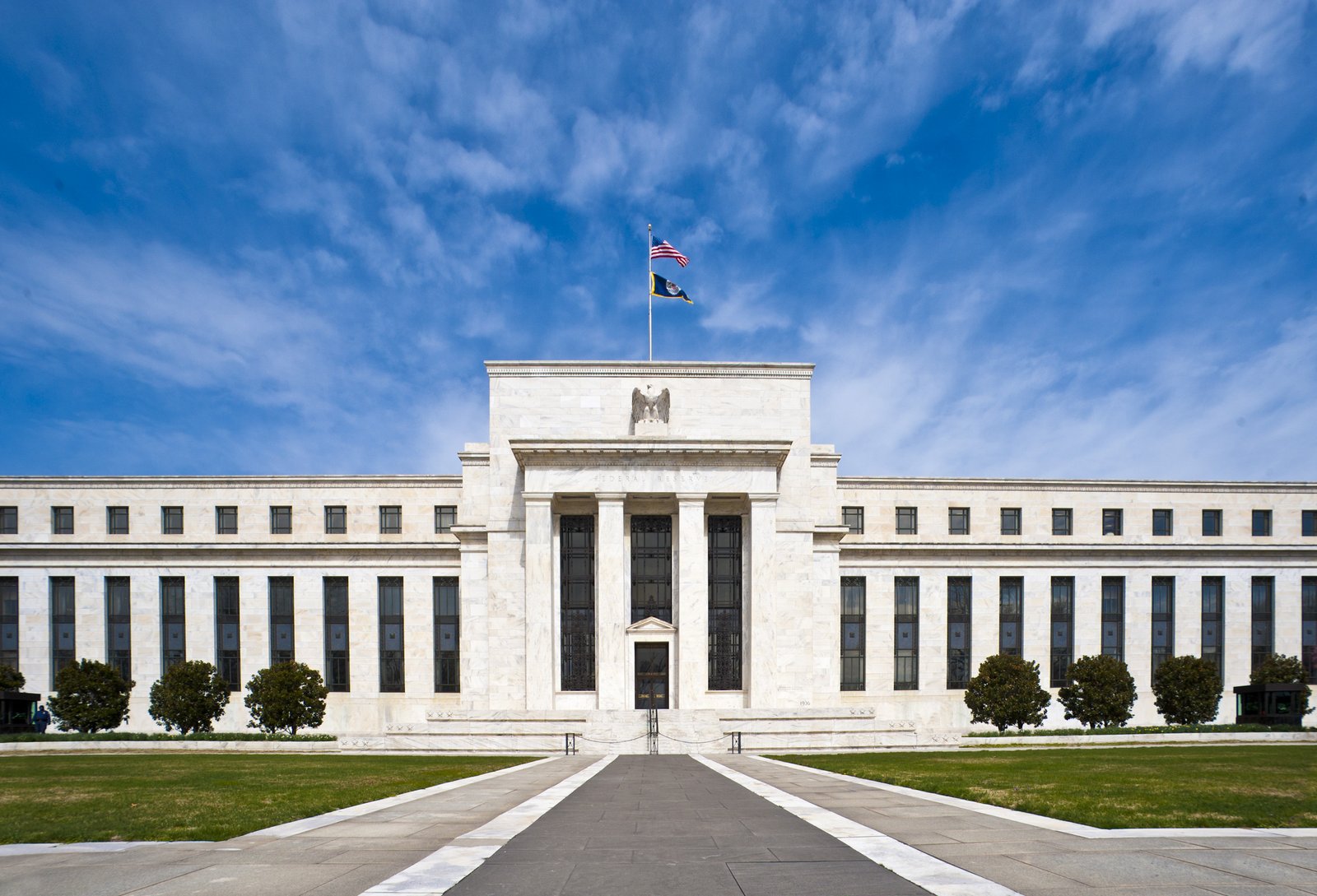
No such system has been deployed in the United States. On July 11, 2026, the 21st Century ROAD to Housing Act became law, four years after the Federal Reserve's authority to issue a CBDC was first put to a vote. The bill passed the Senate June 22 and the House the next day, 358-32, then went to the President's desk. Trump neither signed nor vetoed it by the deadline, so it became law automatically at midnight going into that Saturday. The bill bars the Federal Reserve from issuing or creating a CBDC, or anything substantially similar, until December 31, 2030 [2].
A separate, narrower bill covers the same ground with different mechanics. Representative Tom Emmer introduced the Anti-CBDC Surveillance State Act, H.R. 1919, on March 6, 2025, with 135 co-sponsors. It passed the House on a much more partisan 219-210 vote on July 17, 2025, and as of mid-2026 had been folded into a Senate amendment rather than passed as standalone law on its own [3]. Between the two bills, the documented position of the U.S. government is a moratorium, not a design decision either way on the surveillance question itself.
- [01] Bank for International Settlements. Central bank digital currencies -- system design. BIS, 2023.
- [02] 21st Century ROAD to Housing Act, enacted July 11, 2026 (became law without presidential signature).
- [03] H.R. 1919, Anti-CBDC Surveillance State Act, 119th Congress. Introduced March 6, 2025 by Rep. Tom Emmer (R-MN). Passed House 219-210, July 17, 2025.

The technical design papers describe conditional payments as a feature. The stronger claim treats the same feature as the reason the technology exists at all, and it has real, named backers rather than only anonymous online sourcing.
The capability is the point, not a side effect
Florida Governor Ron DeSantis signed state legislation banning CBDC use in Florida and said publicly that a federally controlled digital dollar is about "surveillance and control," naming a specific scenario -- blocking a firearm purchase -- as the kind of restriction the design would allow [1]. Senator Ted Cruz introduced federal legislation with the same framing, arguing that a direct-to-consumer Fed digital currency would let the government "surveil personal finances" at the individual transaction level [2]. Both are sitting elected officials stating their own position on their own sponsored legislation, not an anonymous claim. Against it: neither has pointed to a deployed system that has actually frozen an account or blocked a purchase on political grounds, because no such system exists yet in the United States to point to.
The 2026 ban is a pause, not a resolution
A four-year statutory ban expires by its own terms. Nothing in the ROAD to Housing Act's language forecloses a future Congress or a future administration revisiting the question once the 2030 deadline arrives, and other jurisdictions -- the EU's digital euro pilot and China's e-CNY chief among them -- keep building CBDC infrastructure on the same conditional-payment architecture in the meantime. Reading the ban as a permanent rejection of the technology overstates what a sunset clause actually does. Reading it as proof the underlying design concern was ever addressed overstates it in the other direction: the ban changes who can issue a CBDC, not what a CBDC can be built to do.
- [01] Florida Governor Ron DeSantis, public remarks and signed state legislation banning CBDC use in Florida, 2023.
- [02] Sen. Ted Cruz, press release introducing legislation to ban a direct-to-consumer Federal Reserve CBDC.